KENYA - Mount Kenya
AB Quality - 100% ARABICA
TASTING NOTES: Milk chocolate, honey, lemon
Free delivery for purchases over €50 in France!
Treatment: WASHED
Score: 85
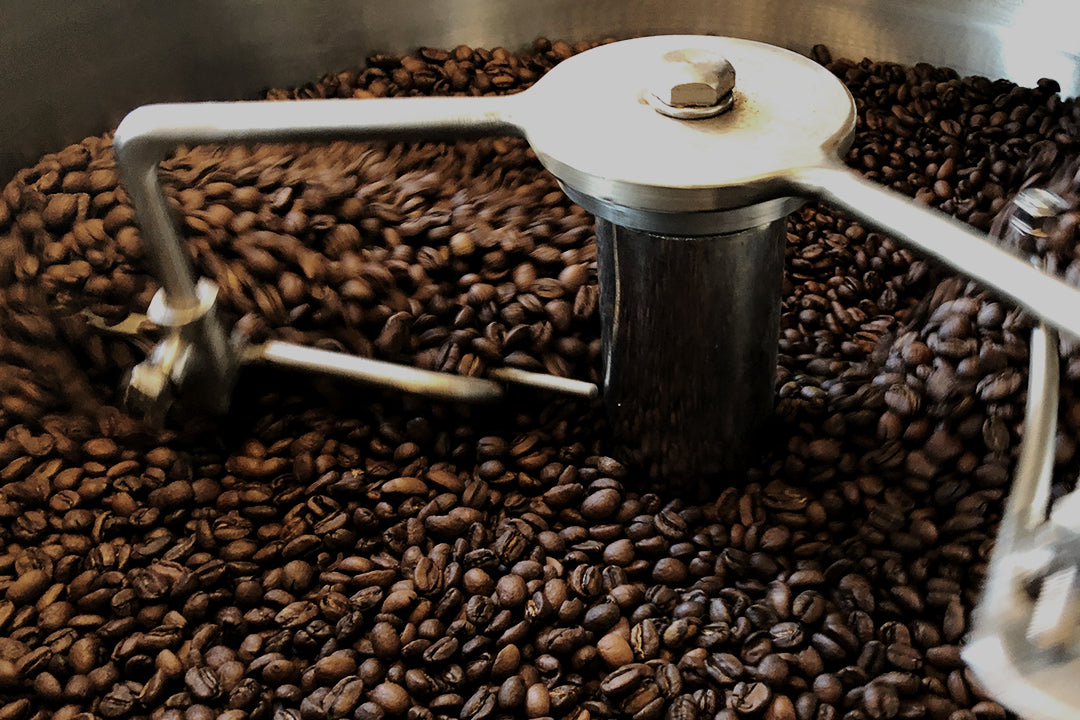
Roasting: MEDIUM
Variety: K7, KIAMBU
Acidity / Body: MEDIUM and BALANCED

Region: KIAMBU

Altitude: 1700 - 2200 M
History
This coffee selection originates from small farms in central Kenya, specifically south of the majestic Mount Kenya, on the high plateaus of the Kiambu appellation. This region, renowned for its favorable climate and mineral-rich volcanic soils, offers ideal conditions for coffee cultivation. The counties of Nyeri, Kirinyaga, and Kiambu are the main contributors to this exceptional production.
A mosaic of enthusiasts:
Kenyan coffee production relies primarily on a network of small-scale producers, often families or local communities. Approximately two-thirds of these producers own an average of 300 coffee trees, allowing them to harvest between 1,000 and 1,500 kg of coffee cherries annually. Their meticulous, artisanal work is central to the quality of Kenyan coffee.
The remaining third of producers manage what are known as "Estates," large coffee farms. These estates, often grouped into cooperatives, play a key role in structuring the sector. Cooperatives allow producers to pool their resources, access more efficient technical means, and negotiate better prices on the markets.
A quality signature:
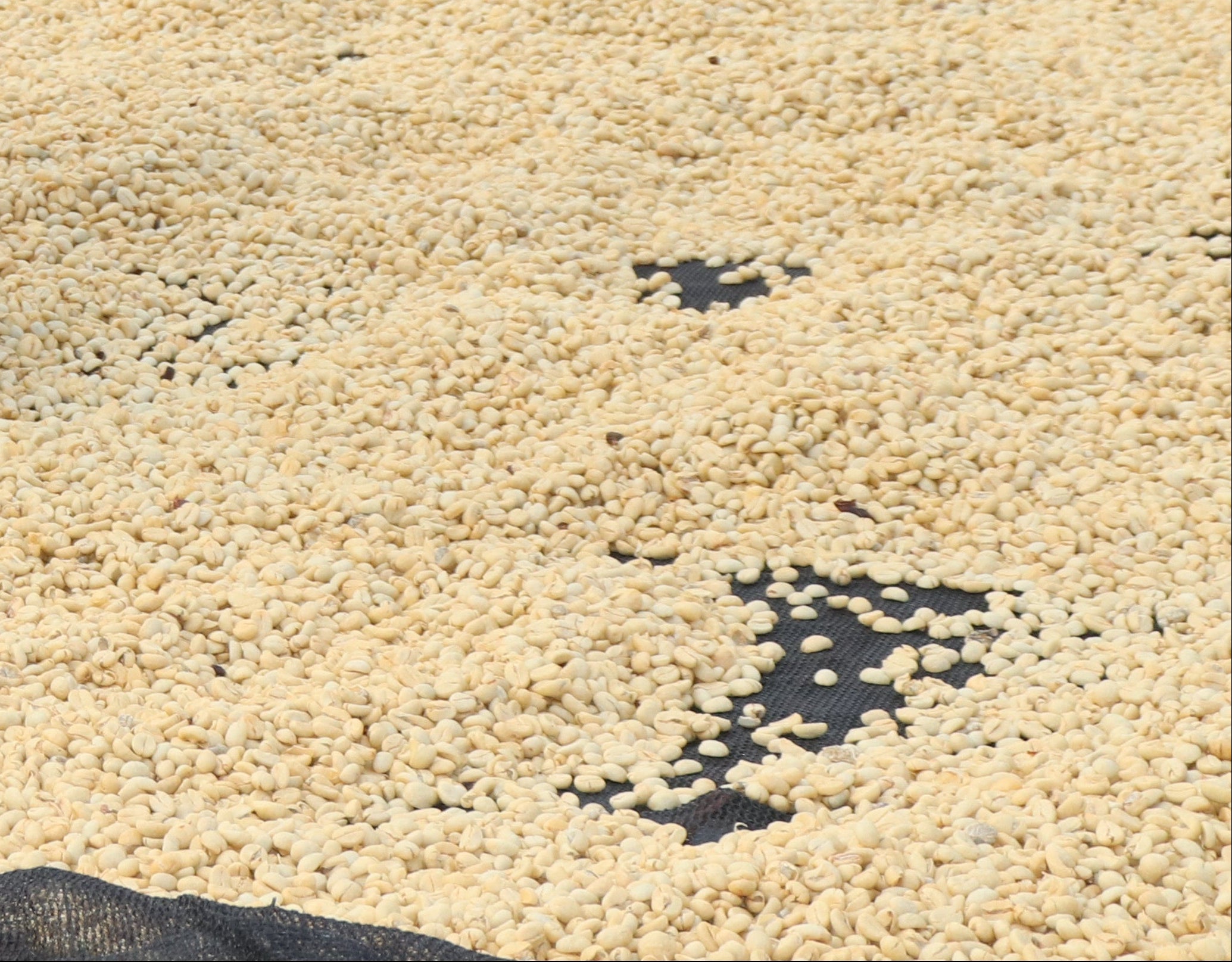
Once the coffee cherries are hand-picked, they are quickly transported to processing stations run by cooperatives. It is there that the famous "Kenyan wash," also called "double wash," takes place – a processing method renowned for its rigor and efficiency.
This artisanal know-how, combined with rigorous control, gives Kenyan coffee a lively acidity, complex aromas and consistent quality, highly sought after by enthusiasts worldwide.
Tasting notes:
Milk chocolate, honey, lemon
drying method
washed
The cherry skin is removed by machine and then fermented (12 to 72 hours) in large cement vats. Once the process is complete, the berries are washed in trenches under running water and sorted by weight through trapdoors. The drying method will be identical to the natural method.